
Index Funds vs. Stock Picking: Why I Keep a Boring Core
Part of Options Trading, From the Beginning
By Paul Peery · August 13, 2026 · 4 min read
Trying to beat the market with individual stock picks is a statistical trap for almost everyone who attempts it. Decades of performance data point to the same awkward reality: full-time professional fund managers with teams of analysts routinely fail to beat a simple index fund over a ten-to-fifteen-year horizon. If Wall Street pros with seven-figure research budgets cannot consistently pull it off, a retail investor checking charts between work meetings faces brutal odds.
(Educational note: Everything below reflects my personal approach to portfolio construction and options mechanics. It is for educational purposes only and is not financial advice.)
The data against stock picking is ruthless
Every year, S&P Dow Jones Indices publishes the SPIVA scorecard, measuring how active fund managers perform against passive index benchmarks. Over 15-year stretches, roughly 85% to 90% of actively managed large-cap U.S. stock funds fail to beat the S&P 500.
Retail stock pickers usually fare even worse, and not because they lack intelligence. The drag comes from structural headwinds:
- Concentration risk: A single bad quarter or structural industry shift can permanently impair an individual company.
- Friction and taxes: Frequent buying and selling racks up short-term capital gains taxes and bid-ask spread costs that eat away at compounding.
- Behavioral mistakes: Human psychology drives people to buy high after a stock surges and dump it in panic at the exact bottom.
Broad index funds eliminate single-company risk by holding hundreds or thousands of businesses simultaneously. When you own a total market or S&P 500 index ETF, you do not have to predict which tech firm survives the next decade—the index automatically adds the winners and drops the losers over time.
The core-and-satellite setup keeps you honest
Recognizing that index funds are the smartest default does not mean your only choice is total passivity. Many investors use a core-and-satellite structure to get the mathematical benefits of indexing without completely giving up active strategies.
Here is how the split works in plain English:
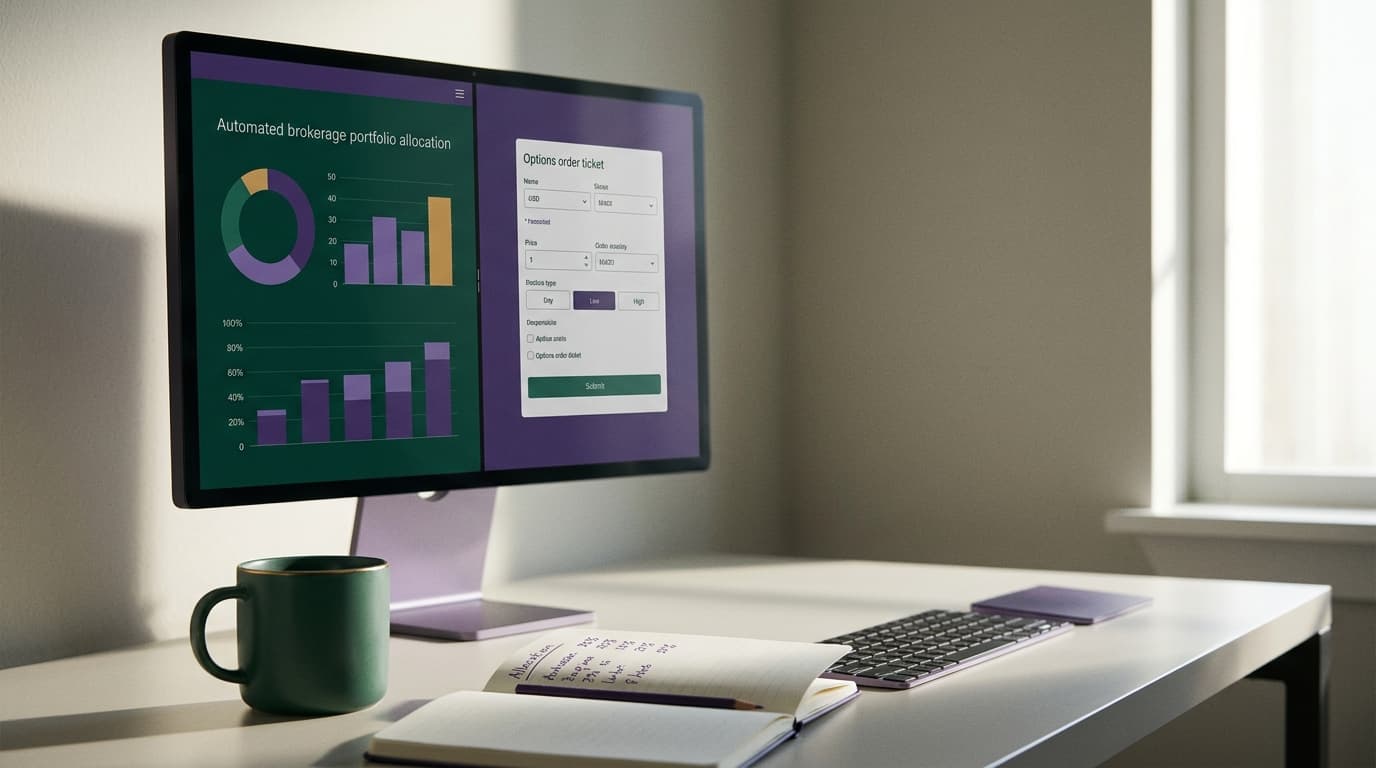
- The Core (80% to 90%): The vast majority of your portfolio sits in low-cost, broad-market index funds or ETFs. This money is untouched by day-to-day market sentiment, economic headlines, or clever hunches. You automate deposits, reinvest dividends, and let compounding do its job.
- The Satellite (10% to 20%): A strictly bounded sandbox used for individual stock research, tactical positions, or derivatives. If you make a mistake here, it stings, but it cannot derail your overall financial life.
This framework creates an emotional circuit breaker. It satisfies the urge to research companies and take calculated positions while ensuring your long-term wealth does not depend on being right every single week.
Why I still trade options around a boring index foundation
Given the data on passive investing, people often ask why I spend time trading options at all. The answer is that I treat options as an income and risk-management tool inside a defined satellite allocation, not as an attempt to out-guess the market direction on a whim.
If you understand how calls and puts work, you know options allow you to define specific outcomes. For example, using the wheel strategy or selling covered calls on shares you already own lets you trade upside potential for immediate upfront premium. You are effectively acting as the insurance seller rather than making wild directional gambles.
Active trading only makes sense when paired with strict boundaries. That is why sizing options trades defensively matters so much: capping risk on every active position ensures that a losing streak in the satellite portfolio never threatens the index core.
The hard trade-off of running an active sandbox
Active trading requires real effort, ongoing attention, and tax complexity. Every closed option trade and individual stock sale creates a taxable event that you have to report at the end of the year.
There is also the opportunity cost of your time. Tracking positions, managing rolls, and reading earnings reports takes hours every month. If your active satellite only matches or slightly underperforms the S&P 500 after taxes, you have essentially paid for the privilege of working an extra part-time job.
If you do not genuinely enjoy the mechanics of financial markets, the most rational move is to skip the satellite entirely. Putting 100% of your equity investments into boring, low-cost index funds is not a compromise—it is mathematically superior to what the vast majority of active traders achieve over their lifetimes.
The one-paragraph guide for beginners
Build your foundation first by automating regular contributions into broad-market index funds until the habit is second nature. Only open an active trading or stock-picking account once your emergency savings and core index investments are fully established. If you do decide to trade individual stocks or options, cap that sandbox at a small fraction of your total portfolio, keep your position sizes tiny, and never borrow against your core to fund an active trade.
Keep reading
All posts
Options Position Sizing: How to Allocate Capital Without Blowing Up
Most options accounts blow up from sizing mistakes, not bad charts. Here is how to allocate portfolio capital, manage cash-secured puts, and keep dry powder ready.
September 3, 2026 · 5 min read