
5 Beginner Options Mistakes That Wreck Accounts (and Rules to Stop Them)
Part of Options Trading, From the Beginning and Making Money From a Small Site
By Paul Peery · August 9, 2026 · 4 min readUpdated August 13, 2026
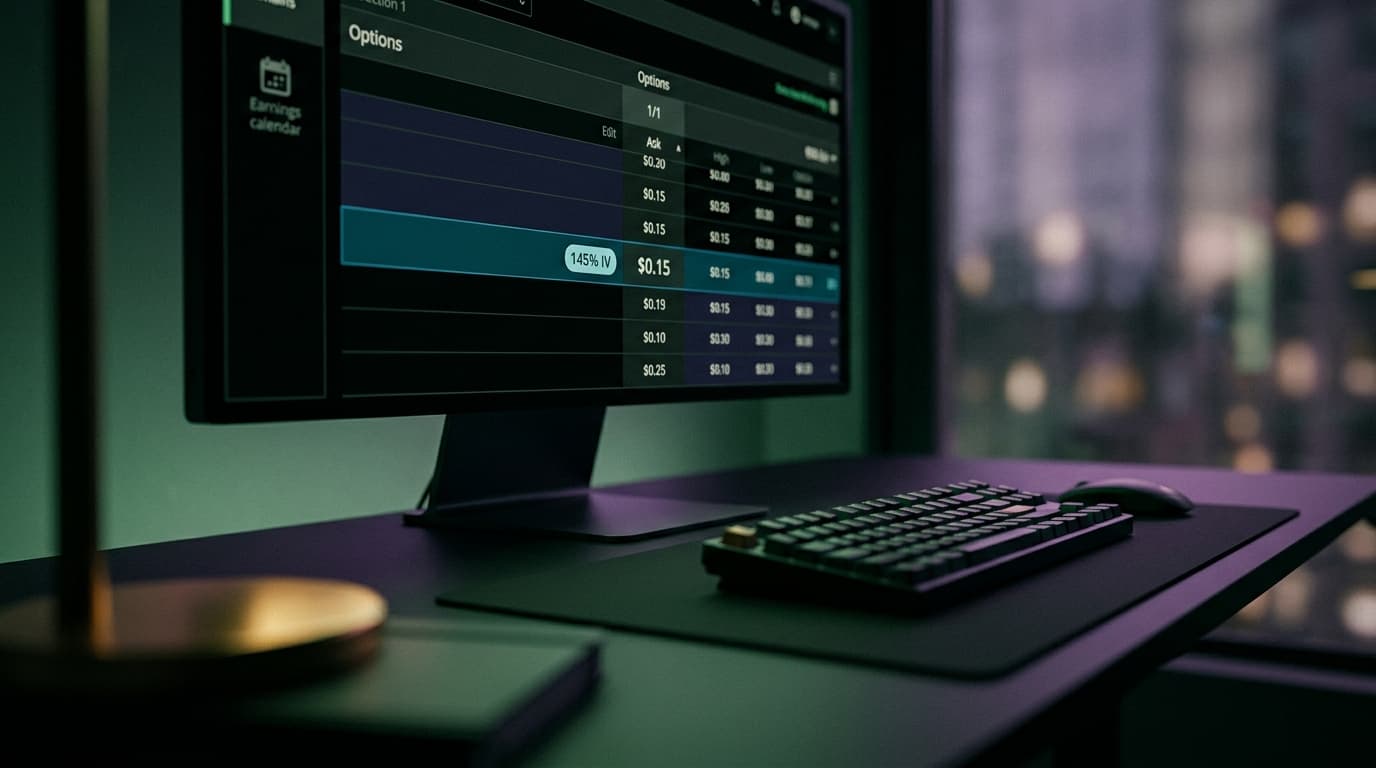
Most options blowups have nothing to do with reading stock charts wrong. They happen because new traders treat options like leveraged stock, ignoring the decay, leverage, and event risk built into every contract.
Quick disclaimer: Everything here is for educational purposes only, based on my own experience trading options. It is not financial, tax, or investment advice.
Here are the five most common unforced errors beginner options traders make, along with the strict personal rules that neutralize them.
Oversizing a single trade makes an average loss fatal
When you buy stock, a 5% drop hurts. When you buy short-dated options, that same 5% drop in the underlying stock can wipe out 80% or 100% of the option's value in a few hours.
New traders routinely put 10% or 20% of their total account into a single options play because the contract price looks small. When the trade moves against them, they lose a quarter of their portfolio before they even process what happened. I learned this trade-off the hard way early on—feeling right about market direction means nothing if a position is too large to survive normal price noise.
The rule is simple: risk a fixed, tiny fraction of your account on any single trade. If you want to dive into position sizing math, I wrote a full breakdown on how I size options trades so one loss can't blow up the account.
Cheap lottery tickets decay into zero almost every time
A call option trading for $0.15 looks like a bargain. You think it only needs to move a little bit for you to double your money.
What you are actually buying is a far out-of-the-money contract with a single-digit probability of expiring in the money. Market makers price those cheap options low because time decay erodes their remaining value faster every single day. If you want to understand how strike prices and premiums actually interact before buying one, start with my guide on options explained for complete beginners.
The rule here: buy options near the money with plenty of expiration time, or don't buy outright long calls and puts at all. Far out-of-the-money contracts act like lottery tickets, and the house wins that game over time.
Trading through earnings is gambling on volatility crush
Buying a call option right before a company reports quarterly earnings feels clever. You know the stock will move, so you pay up for the contract.
The trap is implied volatility. Before an earnings report, options prices inflate because uncertainty is high. The moment the news drops, uncertainty disappears—and implied volatility collapses immediately. Even if the stock moves in your predicted direction, your contract can still lose value because the premium was drained by volatility crush.
The rule: close directional options positions before earnings announcements, or avoid opening new ones until after the news is public.
Holding options into expiration week invites random surprises
Many beginners let their contracts run all the way to Friday afternoon, hoping for a last-minute reversal.
Holding options into expiration exposes you to pin risk, assignment surprises, and rapid acceleration of time decay. If a contract is slightly in the money at 4:00 PM on Friday, your broker will automatically exercise it—leaving you holding 100 shares of stock per contract on Monday morning, along with a massive margin bill. I walk through the full mechanics of this in my post on what happens when options expire.
The rule: establish an exit plan early. Close or roll your positions days before expiration week hits. If you need to defend a trade that moved against you, look at rolling vs closing losing trades instead of waiting for a Friday miracle.
Revenge trading turns a small loss into a major setback
Taking a loss hurts. The immediate emotional impulse is to double down, increase position size, or jump into an unplanned trade immediately to get the money back.
Revenge trading strips away every risk control rule you have. You stop checking earnings calendars, you ignore strike selection, and you size up on bad setups. A manageable 1% loss turns into a severe account drawdown in a single afternoon because emotion took the wheel.
The rule: enforce a mandatory cooling-off period after any losing trade. Walk away from the screen for at least an hour before placing another order.
A five-point checklist to keep in your trading log
You don't need a complex strategy to protect your capital. You just need to execute a plain pre-flight routine before hitting the submit order button:
- Size check: Is the maximum potential loss under your account risk cap?
- Strike check: Is the strike close to the current stock price, or is it a low-probability lottery ticket?
- Calendar check: Are there earnings reports or major economic announcements scheduled during the life of this contract?
- Exit plan: Do you know your exact profit target and loss limit before entering?
- Headspace check: Are you entering this trade because it meets your rules, or because you just lost money on the last one?
Run through those five questions on every order, and you will eliminate almost every unforced error on the board.
Keep reading
All posts
How I Size Options Trades So One Loss Can't Blow Up the Account
Sizing options trades comes down to capping maximum loss per trade at a small percentage of account capital. Here is the math, the leverage check, and the pre-entry routine I use.
August 3, 2026 · 4 min read