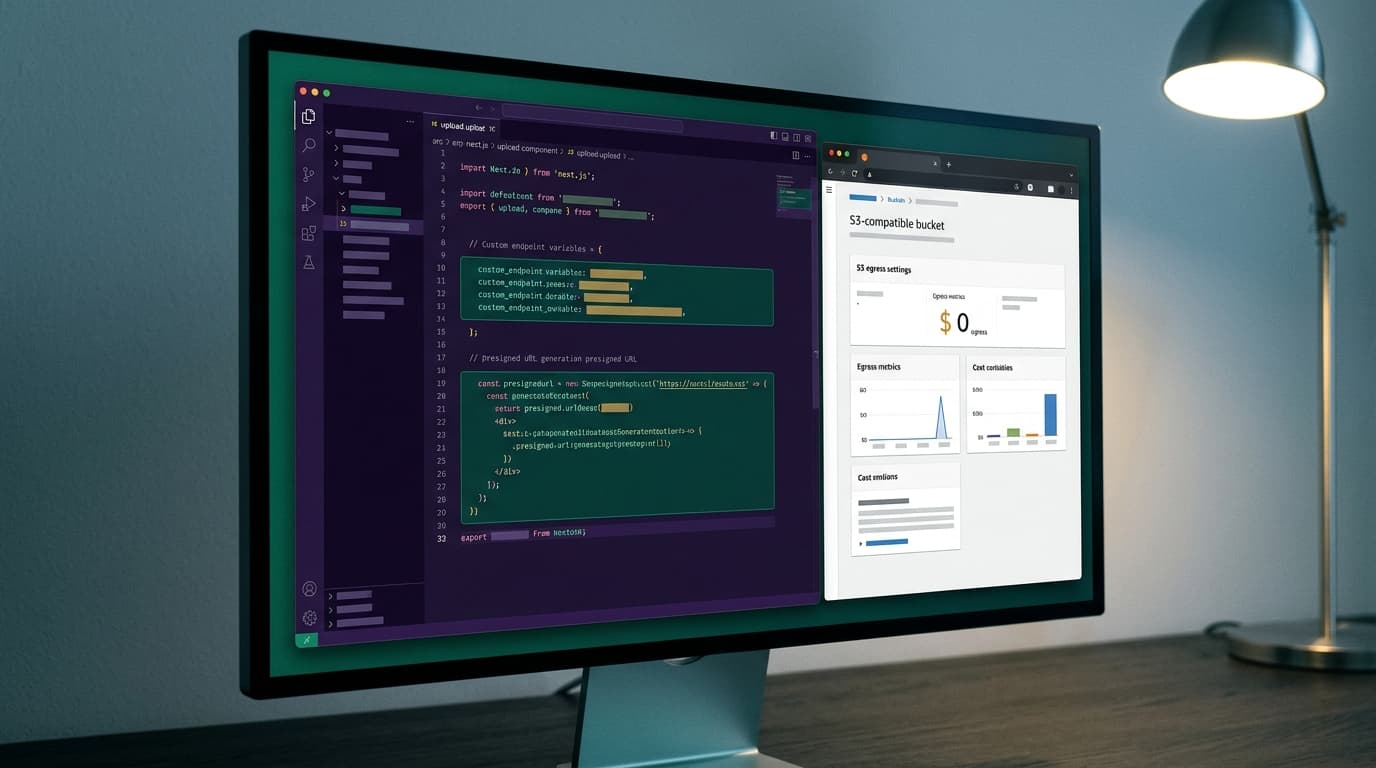
Storage costs look tiny until users start downloading files. Here is how Cloudflare R2, AWS S3, and Backblaze B2 compare on real bills, API compatibility, and setup speed.
Letting an AI agent refactor Next.js code and write unit tests without guardrails invites phantom dependencies and silent bugs. Here is how to keep control.
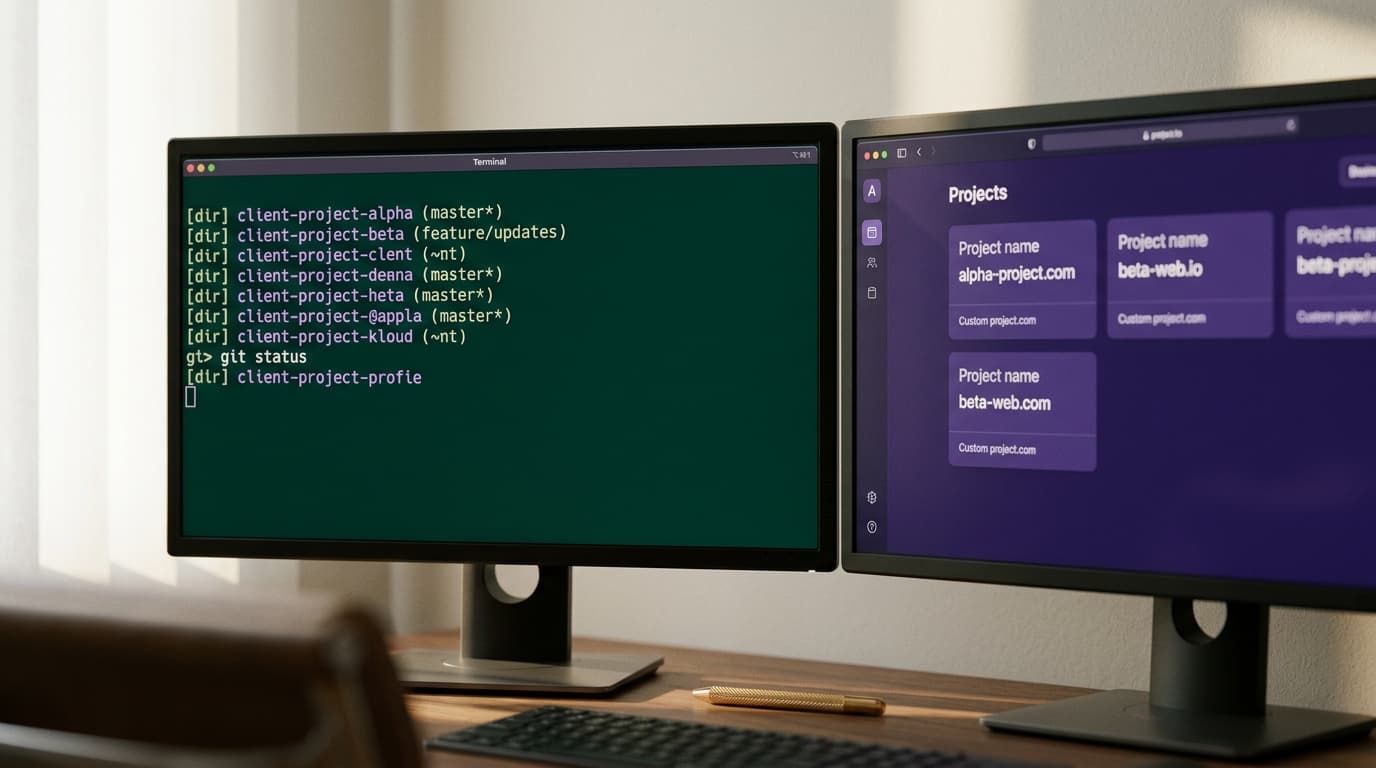
Running twenty client sites on one multi-tenant Next.js engine sounds clever until a client leaves or needs custom code. Here is why isolated repos win for solo builders.
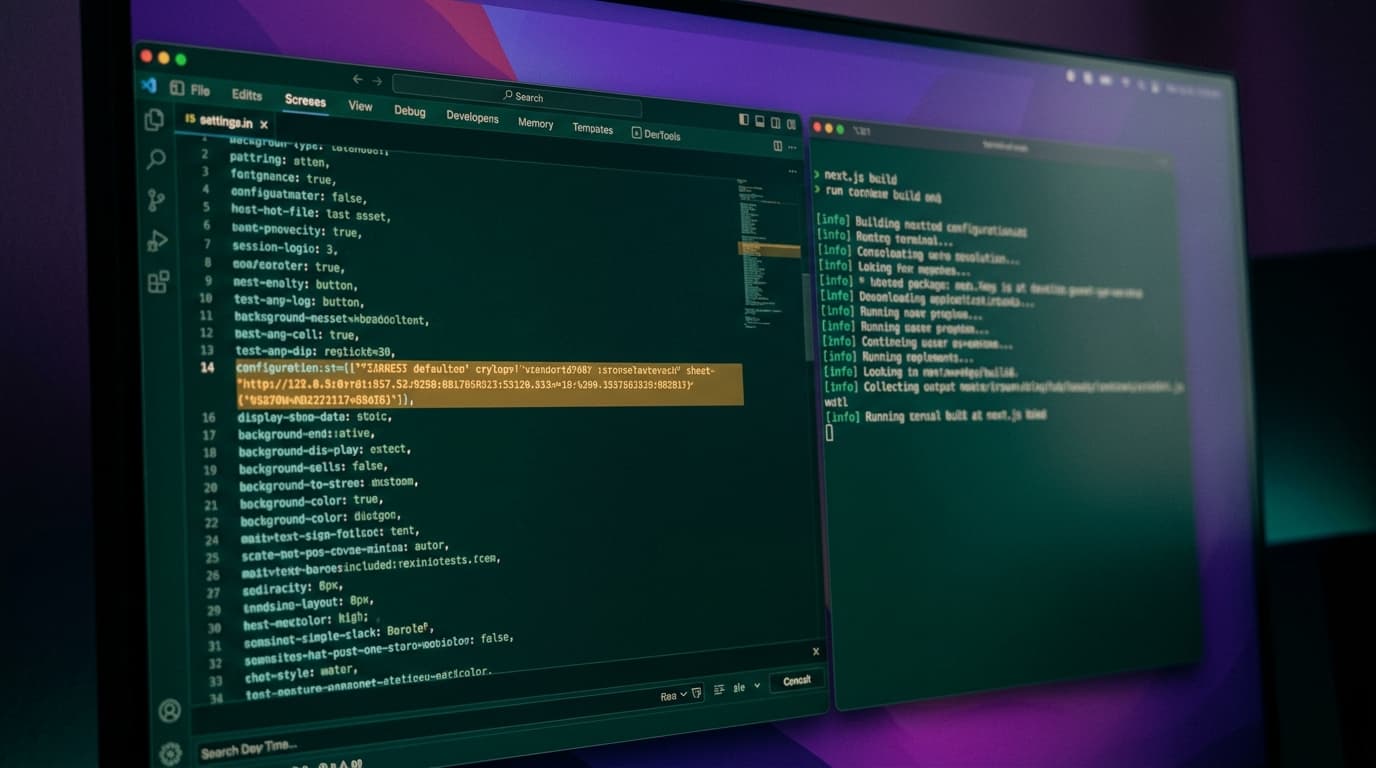
Prefixing a secret with NEXT_PUBLIC_ or passing it into client props burns it directly into browser bundles. Here is how Next.js inlines variables and how to lock down your keys.
Most websites do not need to be dynamic single-page applications. Here is why Astro's zero-JavaScript default and islands model beat heavy frameworks for content sites.
You do not need an enterprise observability suite to catch production bugs. Here is how to wire Next.js App Router errors to sensible alerts without spamming your inbox.
Most weekend SaaS projects fail because builders design platforms instead of utilities. Here are 10 single-purpose micro SaaS ideas you can realistically code and deploy in 48 hours.
You do not need a paid crawler subscription to catch 404s and missing social cards. Here is how to script pre-publish checks that run locally in seconds.
You do not need a monthly SaaS subscription or intrusive CAPTCHAs to accept contact inquiries. Here is how I build spam-resistant forms in Next.js using Server Actions.
You do not need a third-party screenshot SaaS to get branded social preview cards. Here is how to generate dynamic Open Graph images natively in Next.js.
Choosing between SQLite, managed Postgres, and Supabase is not a benchmark battle. Here is how to pick the right database for a solo micro SaaS based on operational sanity.
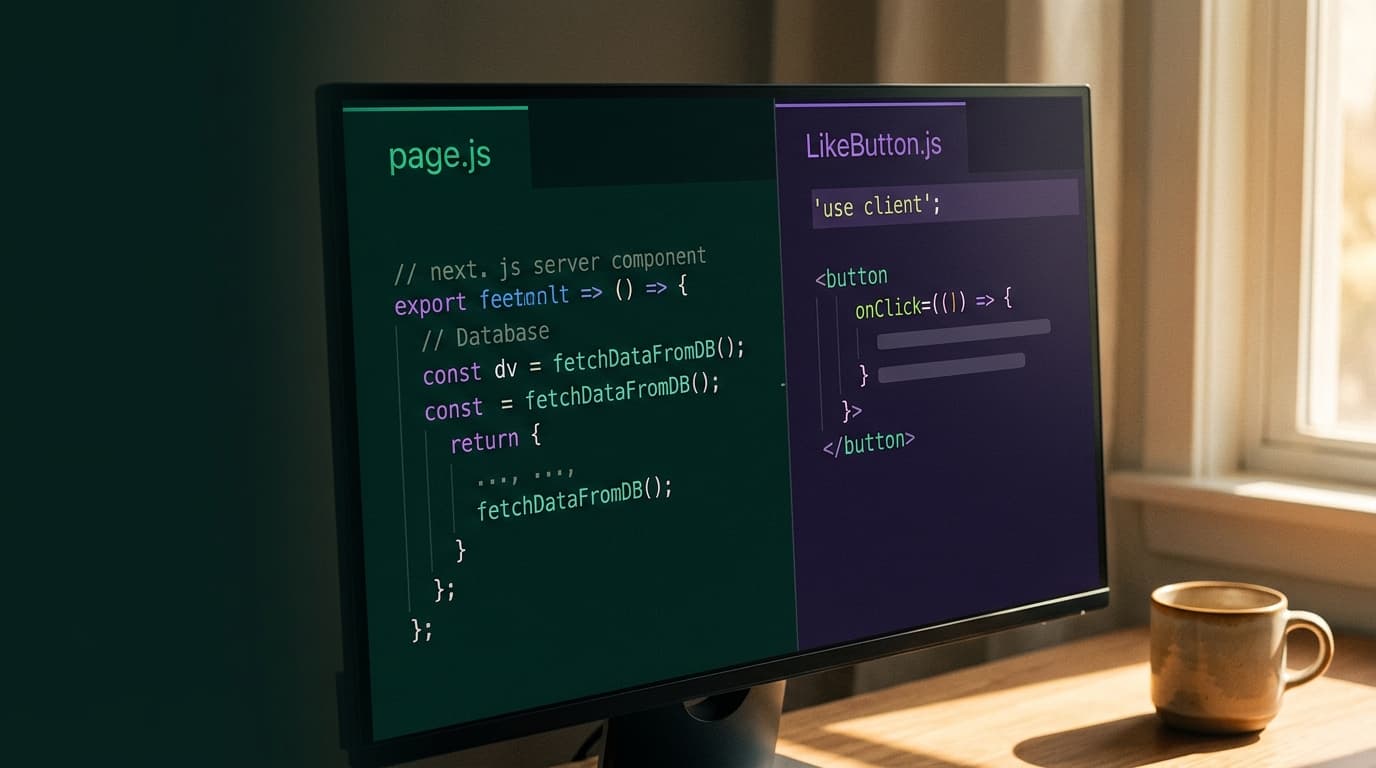
Most Next.js tutorials make Server Components look like an all-or-nothing rewrite. Here is the exact mental model I use to decide where 'use client' belongs.