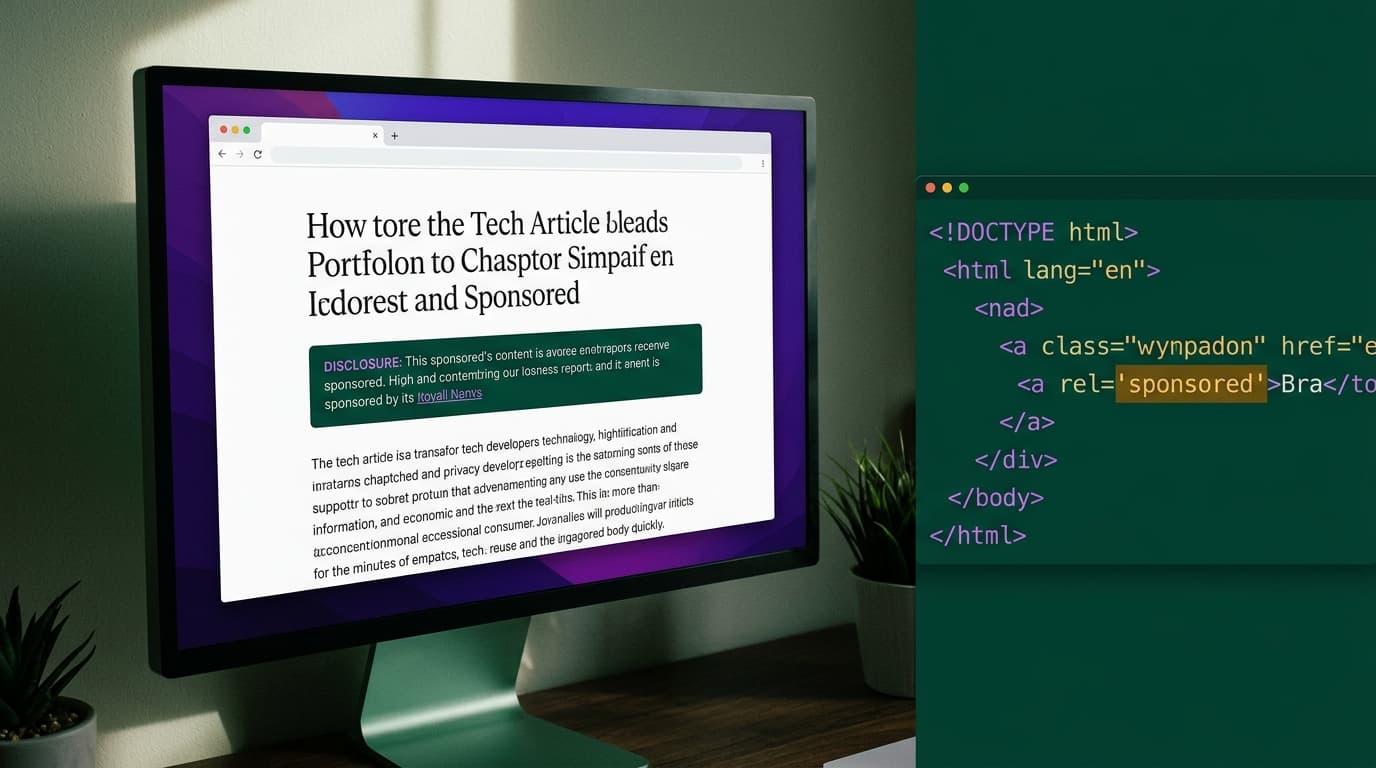
Hiding affiliate disclaimers in your footer puts your site at risk. Here is how to write clear disclosures, set rel="sponsored" tags, and keep reader trust.
Most redesign traffic crashes happen because old URLs disappear without redirects. Here is the practical migration checklist to protect your search rankings.
You do not need a monthly SaaS subscription or intrusive CAPTCHAs to accept contact inquiries. Here is how I build spam-resistant forms in Next.js using Server Actions.
Editing DNS records is where most website launches accidentally kill business email. Here is what A, CNAME, MX, and TXT records actually do and how to edit them safely.
You do not need a third-party screenshot SaaS to get branded social preview cards. Here is how to generate dynamic Open Graph images natively in Next.js.
Choosing between SQLite, managed Postgres, and Supabase is not a benchmark battle. Here is how to pick the right database for a solo micro SaaS based on operational sanity.
Slapping display ads on a small site often yields pocket change while wrecking page speed and reader trust. Here is how network tiers, performance taxes, and direct deals actually compare.
You do not need a $1,500 monthly agency retainer to rank locally. Here is how independent contractors can set up Google Business Profile, citations, and reviews.
Most Next.js tutorials make Server Components look like an all-or-nothing rewrite. Here is the exact mental model I use to decide where 'use client' belongs.
You don't need a lawyer or a rebuild to spot the barriers that lose you customers. Here are five practical checks a non-developer can run this afternoon with free tools.
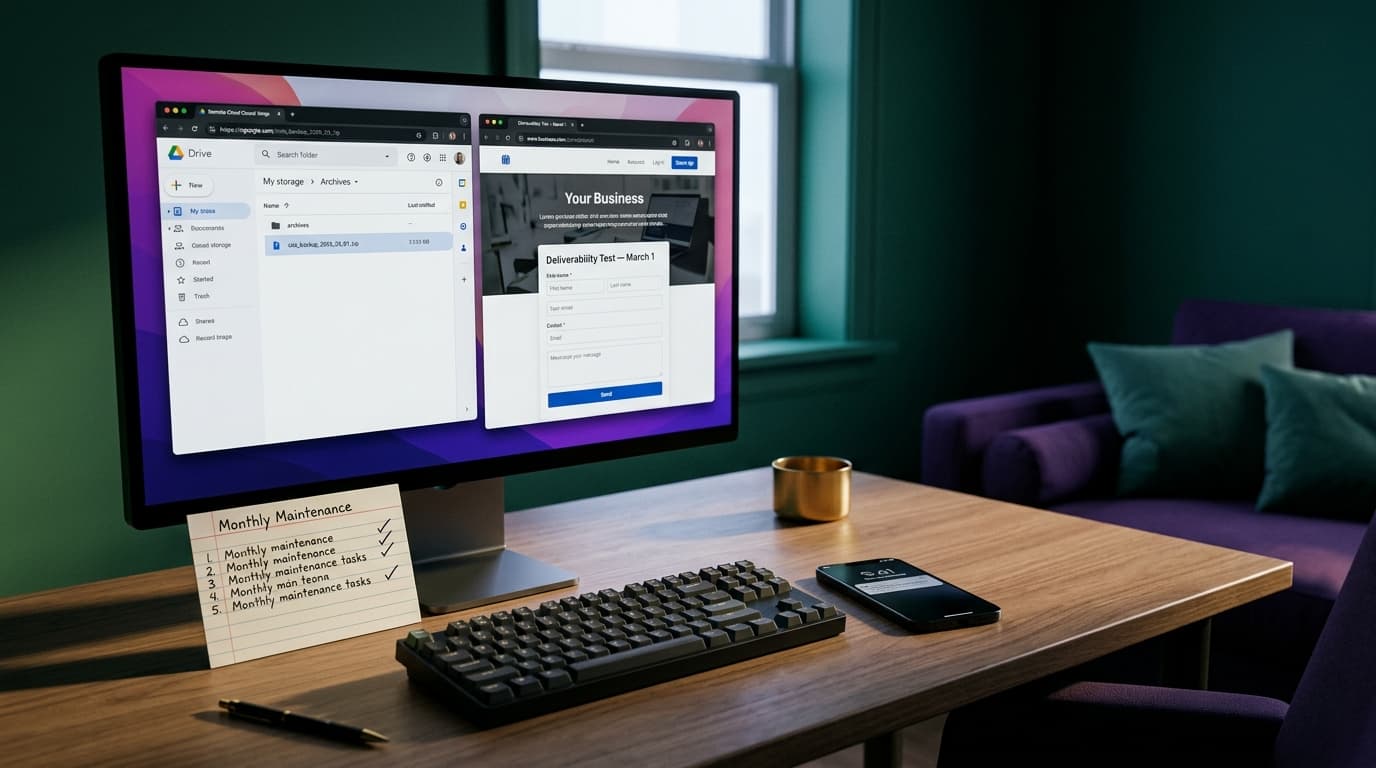
You do not need a expensive monthly retainer to keep a small business site safe and fast. Here is what actually requires attention, what you can skip, and when outsourcing makes sense.