Paper trading lets you learn options mechanics without risking real money, but simulated fills and virtual cash create false confidence. Here is how to use practice accounts effectively.
Most beginner options losses don't come from bad market analysis. They come from five preventable position management mistakes—here are the simple rules that stop them.
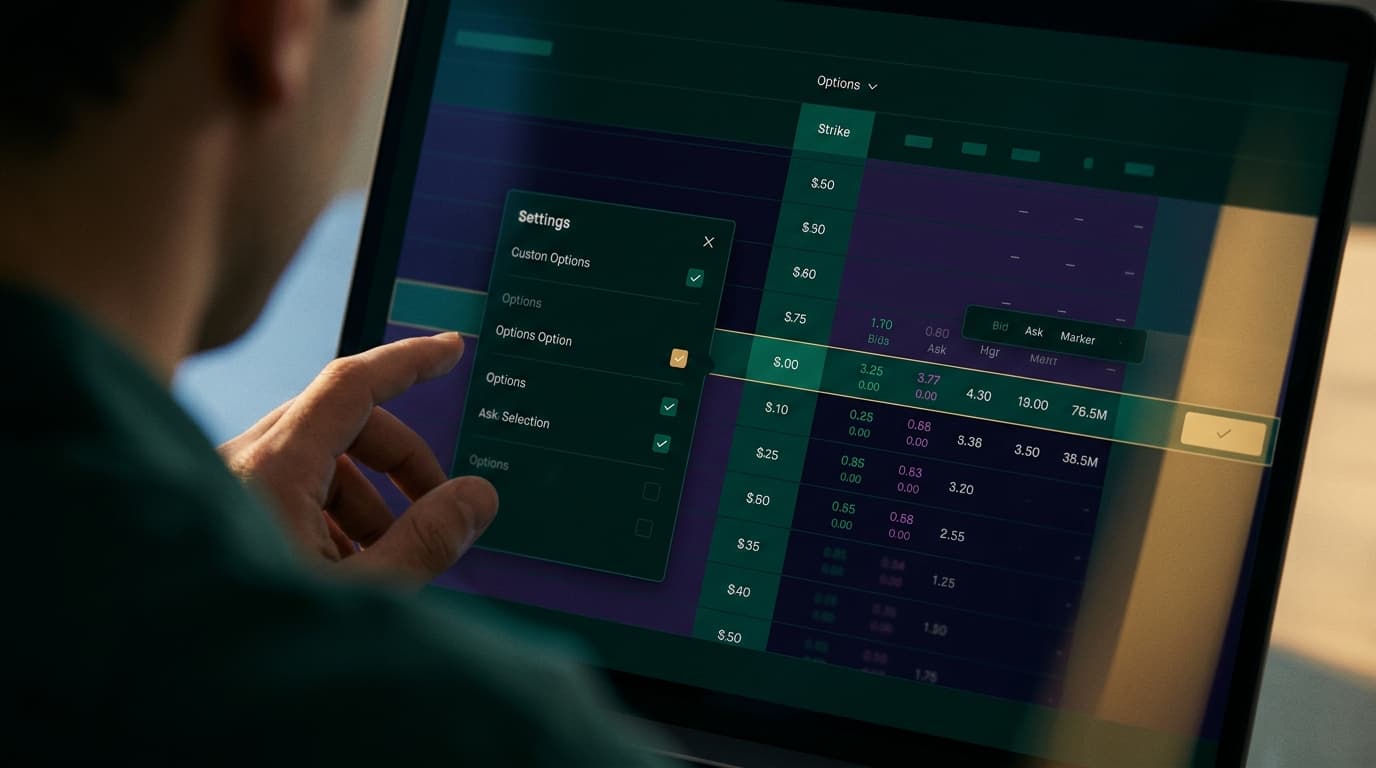
An options chain looks overwhelming at first glance, but you only need a handful of numbers to make a trade decision. Here is how to read the grid, spot liquidity, and filter out the noise.
Implied volatility sets option prices based on market expectations. Here is how IV crush wipes out long options around earnings and why sellers rely on IV rank.
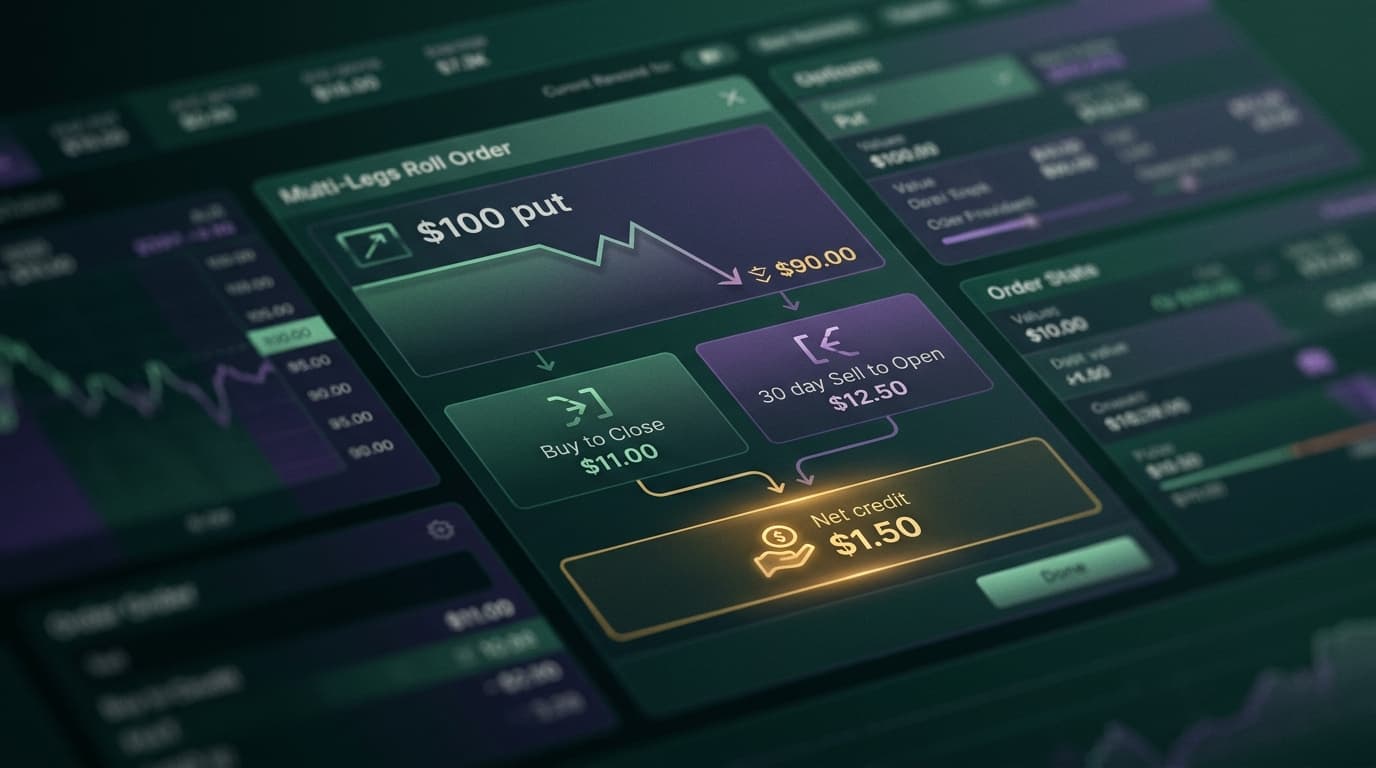
When an options trade moves against you, panic leads to bad decisions. Here is my practical decision framework for rolling, taking a loss, or accepting assignment without emotional coping.
Sizing options trades comes down to capping maximum loss per trade at a small percentage of account capital. Here is the math, the leverage check, and the pre-entry routine I use.
The wheel strategy uses cash-secured puts and covered calls to generate premium income. Here is how I run the wheel end to end, and where the risks actually hide.
A plain-language guide to selling covered calls on stock you already own. Learn how strike selection works, the downside trade-off, and what happens when your stock gets called away.
A vertical spread combines two calls or two puts with the same expiration but different strike prices. I explain debit spreads, credit spreads, risk, profit limits, and assignment.