Most newsletter income screenshots skip churn, platform cuts, and realistic conversion rates. Here is the actual math and how Substack, Beehiiv, and Buttondown compare.
Editing DNS records is where most website launches accidentally kill business email. Here is what A, CNAME, MX, and TXT records actually do and how to edit them safely.
You do not need a third-party screenshot SaaS to get branded social preview cards. Here is how to generate dynamic Open Graph images natively in Next.js.
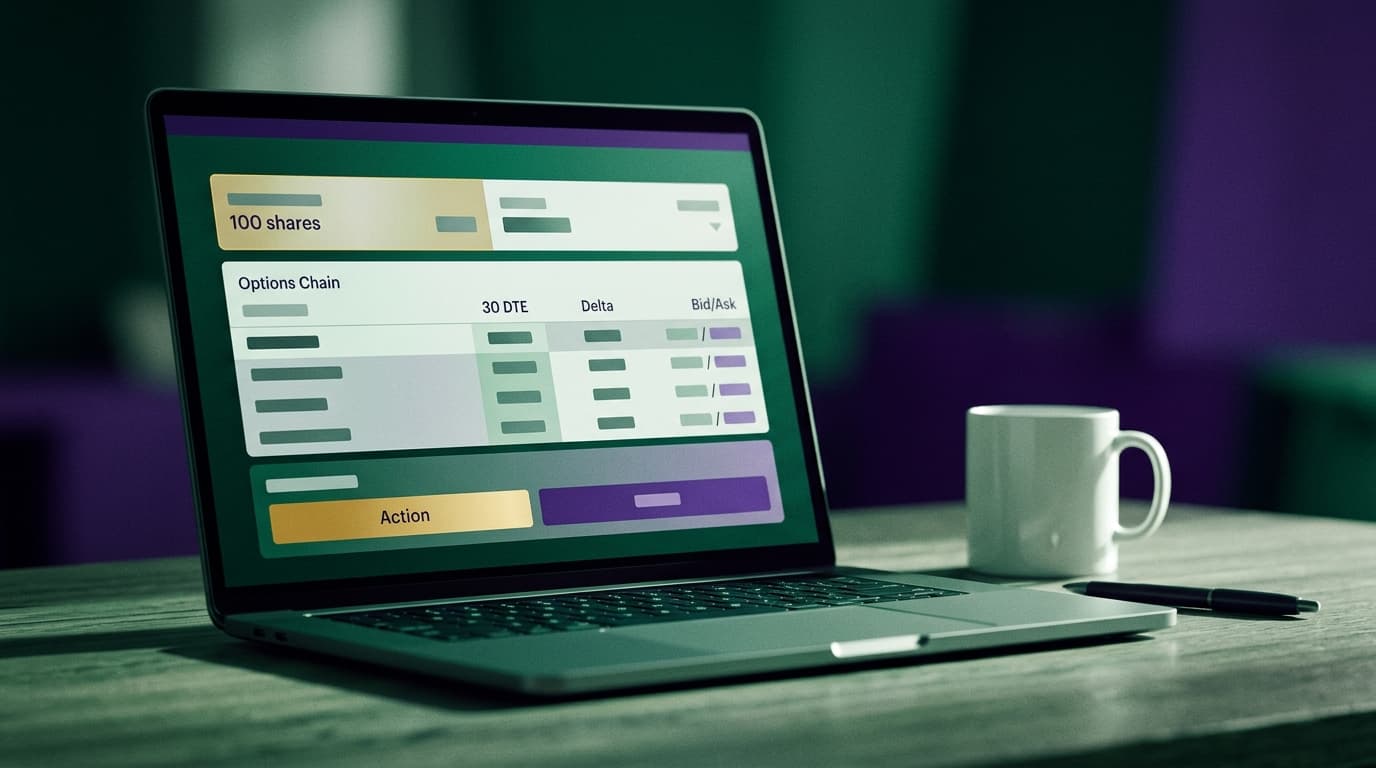
Selling covered calls lets you collect cash on shares you already own, but it caps your upside and leaves downside open. Here is how the mechanics, delta targets, and trade-offs actually work.
Choosing between SQLite, managed Postgres, and Supabase is not a benchmark battle. Here is how to pick the right database for a solo micro SaaS based on operational sanity.
You do not need a dedicated brewer to make smooth, silt-free cold brew. Here is the exact concentrate ratio, steeping time, and filtration fix using a jar or French press.
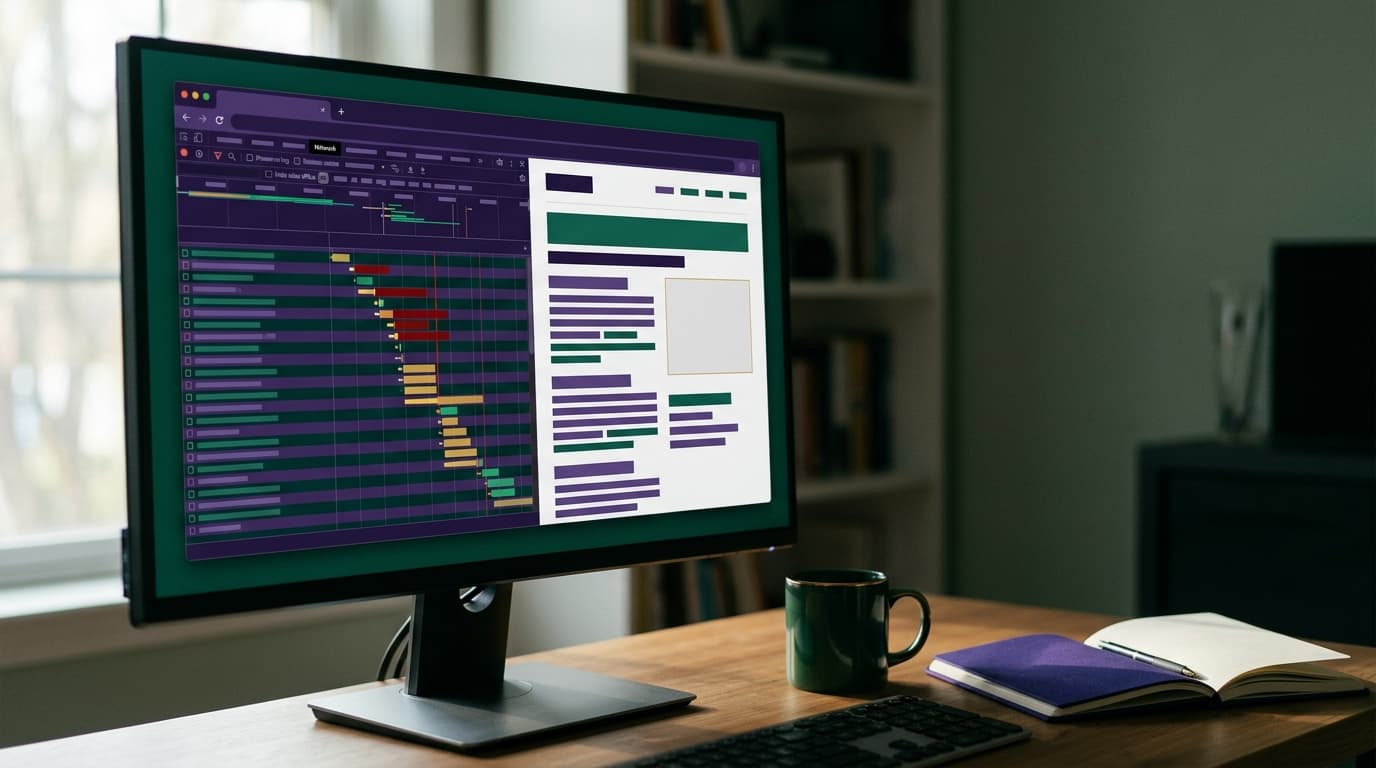
Slapping display ads on a small site often yields pocket change while wrecking page speed and reader trust. Here is how network tiers, performance taxes, and direct deals actually compare.
You do not need a $1,500 monthly agency retainer to rank locally. Here is how independent contractors can set up Google Business Profile, citations, and reviews.
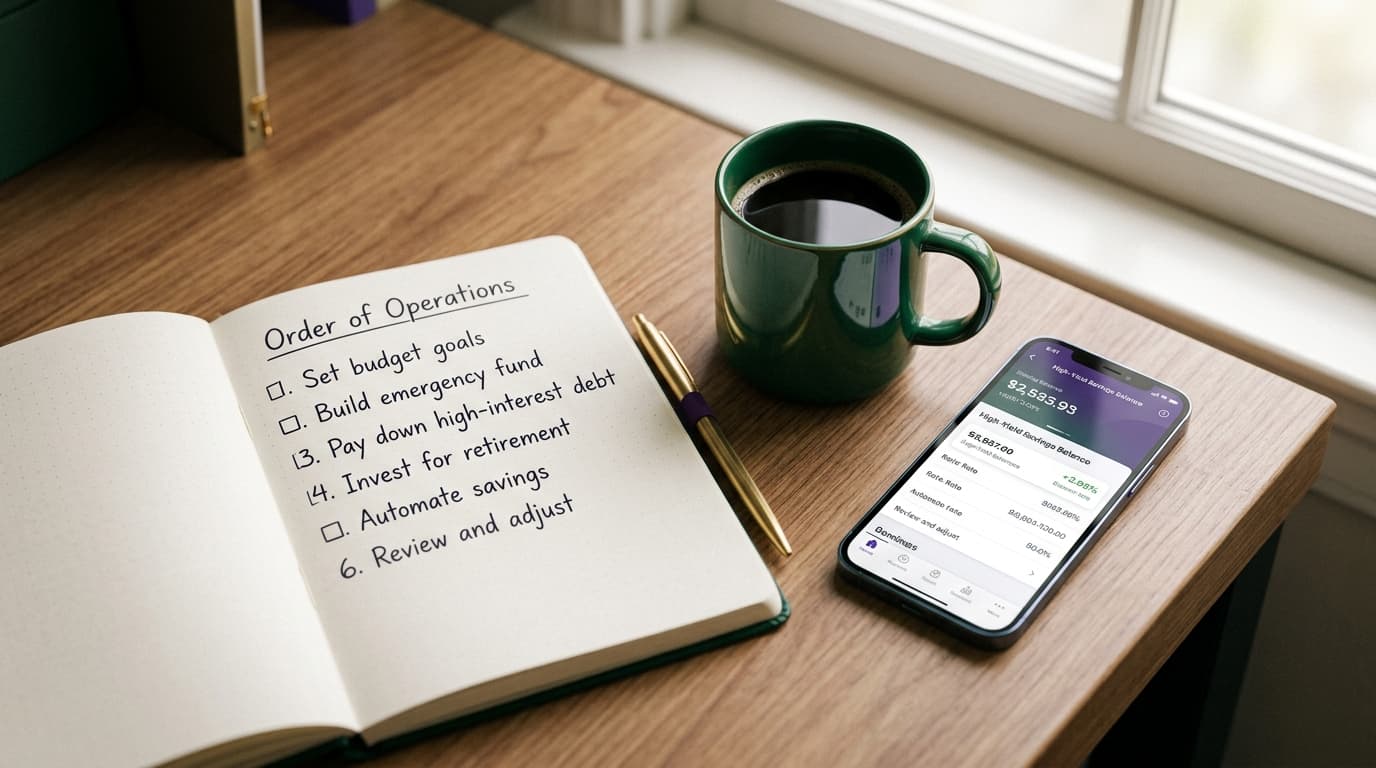
Buying stocks while carrying a 22% credit card balance isn't investing—it's burning cash. Here is the exact order of operations for your next spare $1,000.
Selling cash-secured puts lets you collect income while waiting to buy shares at a lower price, but it comes with full downside risk. Here is how the mechanics, collateral, and assignments work.
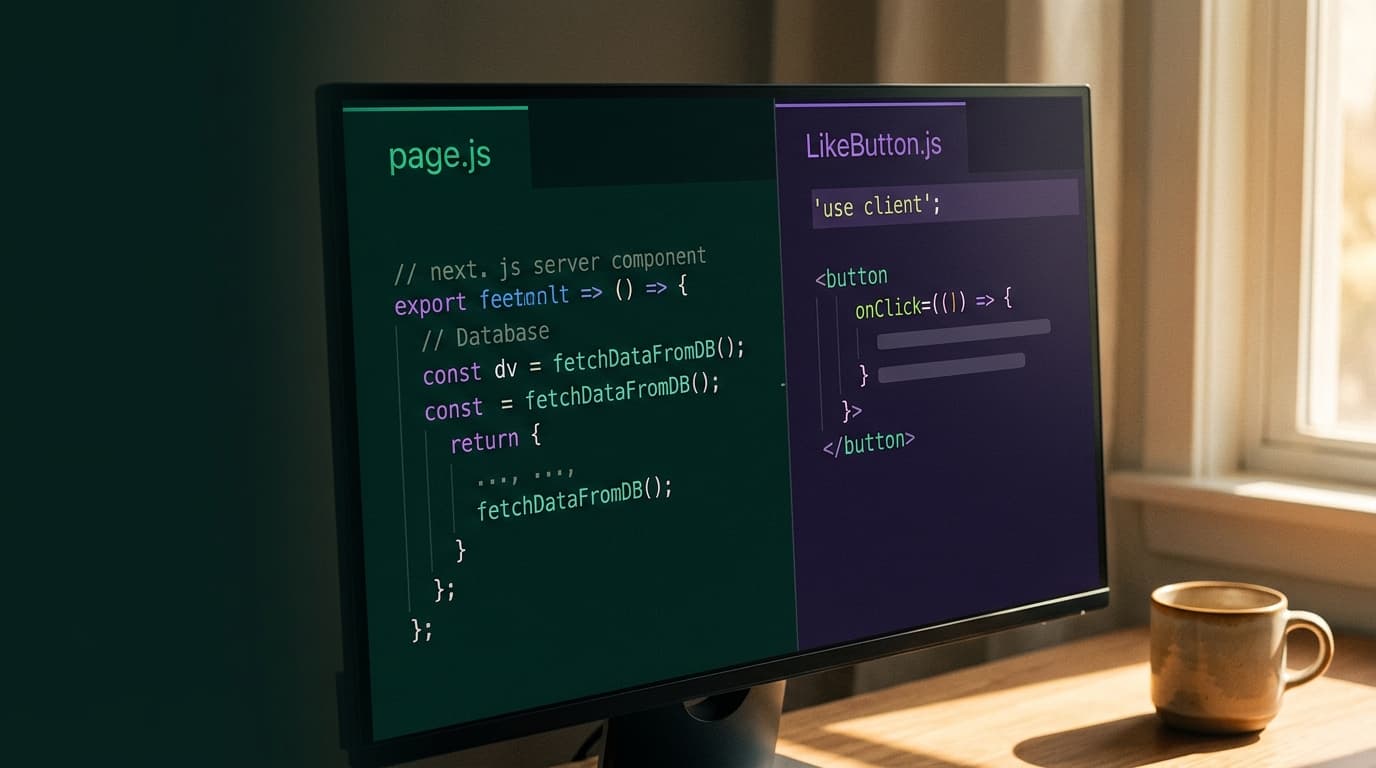
Most Next.js tutorials make Server Components look like an all-or-nothing rewrite. Here is the exact mental model I use to decide where 'use client' belongs.
Making money in the market is only half the trade—how you trade decides what you owe the IRS. Here is how capital gains, option premiums, and wash sales actually work.